Breathing In Problems
Sinus health often goes unnoticed until issues surface, affecting daily lives unexpectedly. These air and mucus-filled cavities called sinuses play a multifaceted role in overall well-being. Sinuses facilitate proper airflow for comfortable, efficient breathing. Moreover, sinuses contribute to maintaining optimal humidity levels in the respiratory system, which is vital for lung health. Beyond these functions, sinuses also provide structural support to the face, contributing to facial symmetry and appearance. Sinuses can sometimes become inflamed or infected, causing pain, congestion, and other unpleasant symptoms. For chronic cases that do not respond to surgery, endoscopic sinus surgery can help.

Understanding endoscopic sinus surgery
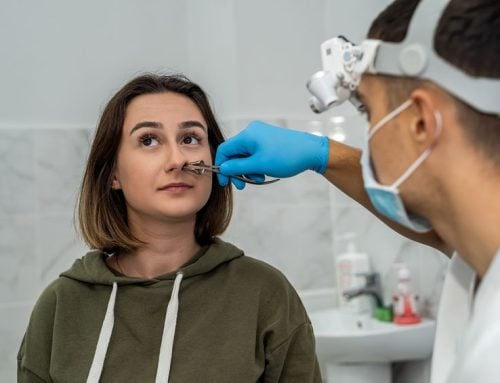
Outpatient endoscopic sinus surgery is an innovative option in treating sinus issues. The procedure uses a minimally invasive approach, leading to faster recovery and less post-operative discomfort. This surgical technique leverages advanced visualization tools, such as high-definition endoscopes, to offer surgeons a clearer view of the sinuses, resulting in improved surgical accuracy. These factors collectively contribute to the procedure’s status as a groundbreaking solution for individuals seeking to revitalize sinus health and improve overall quality of life. The endoscope goes through the nose or a small incision. The surgeon can then remove blockages and bone or address any issues causing chronic sinus conditions.
Minimally invasive benefits
A primary benefit of outpatient endoscopic sinus surgery is the minimally invasive nature. Traditional surgical procedures often require extensive tissue manipulation and prolonged healing periods. Endoscopic surgery offers a gentler approach. With smaller incisions and specialized instruments guided by high-definition endoscopes, the technique minimizes trauma to surrounding tissues. As a result, patients typically experience faster recovery times, reduced post-operative discomfort, and a quicker return to daily routines. This approach lessens the physical burden on patients and enhances the overall surgical experience. The reduced invasiveness of outpatient endoscopic sinus surgery allows for a more efficient procedure, minimizing disruption to daily life.
Enhanced precision
High-definition endoscopes are invaluable tools in outpatient endoscopic sinus surgery. The scopes provide surgeons with an unparalleled view of the intricate sinus structures. These advanced visual aids allow for meticulous examination and precise manipulation of the affected areas. With such enhanced clarity and magnification, surgeons can navigate the sinuses more accurately, minimizing the risk of complications during the procedure. Moreover, this heightened precision ensures that surgeons can target specific issues, such as nasal polyps or blockages, with greater accuracy.
Reduced pain and recovery time
Patients often experience reduced pain and shorter recovery times than conventional sinus surgery. The minimally invasive nature of this procedure, coupled with the precise techniques employed, contributes to a smoother and less painful recovery process. Patients who undergo outpatient endoscopic sinus surgery often recover more swiftly. Most return to daily routines, including work and other activities, in a shorter time frame, usually 1-2 weeks. This accelerated healing process allows individuals to resume regular activities and enjoy the benefits of revitalized sinus health sooner than expected.
A brighter future for sinus health
In the realm of sinus health, endoscopic sinus surgery offers hope. The procedure’s convenience, precision, and effectiveness allow patients to breathe easier and enjoy a higher quality of life. As technology advances and more surgeons adopt this approach, the future promises better sinus health and enhanced well-being. Patients and practitioners can look forward to a brighter horizon for sinus health, where personalized care and minimally invasive techniques take center stage.