Beware Of Bicep Pain
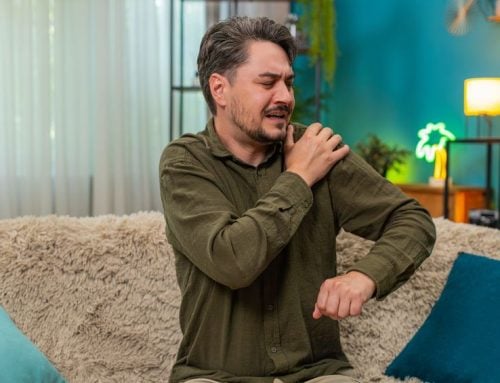
Exercising the biceps lead to some post-workout soreness about 24-48 hours after exercise, which goes away. Experiencing sharp bicep pain when performing simple exercises, however, is not a normal occurrence and should be investigated. Take note if a bicep curl at the gym with minimal weight feels uncomfortable. This could be a sign of a serious underlying injury that could worsen or require medical attention. Some cases may need surgery in the form of bicep tenodesis.

Normal vs concerning bicep pain
Normal bicep pain after exercise feels like fatigue and soreness, which stops shortly after rest or within a few days. A possible underlying bicep injury, however, will have more pronounced symptoms. A sharp, stabbing pain during specific movements, persistent aching, and severe pain after exercise are red flags. Look for popping or snapping sensations when moving the bicep, visible deformities, or difficulties lifting simple objects throughout the day. These symptoms, especially when working out, should prompt a visit to a doctor for testing and possible treatment.
Potential underlying bicep injuries
The bicep is prone to acute or degenerative injuries with some caused by gym exercises. Partial tearing of the muscle fibers can lead to strains or tendinitis, which is chronic inflammation of the tendon. A more severe injury is a ruptured bicep, where the bicep tendon tears at the shoulder or elbow. Superior labrum anterior to posterior (SLAP) tears of the shoulder can cause bicep pain as the tendon goes all the way to the labrum at the shoulder socket. Most of these are sudden, but wear and tear can also cause bicep pain and injury. Degenerative bicep tendinopathy causes chronic inflammation, while degenerated tendons can cause chronic pain.
Signs surgery is imminent
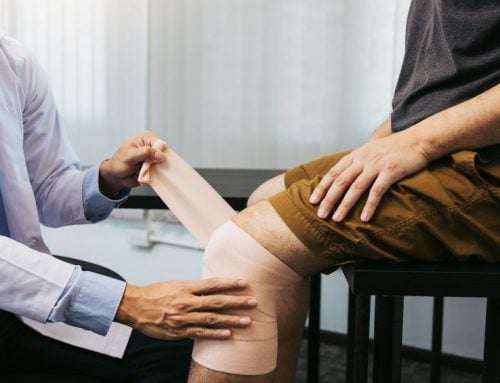
A doctor can use physical tests and imaging to determine the root cause of bicep pain. This visit will determine the best treatment options for the patient. Some injuries, like tendinitis or tendinopathy, respond well to slings, pain management, and physical therapy. Discontinuation of gym exercises that involve heavy lifting is recommended, giving the bicep time to heal. Some patients benefit from corticosteroid injections for more effective pain management. The rise of regenerative medicine, such as platelet-rich plasma (PRP) injections, can also help healing. If these options fail to improve pain, there is a clear rupture that cannot heal naturally, or the muscle is deformed, surgery is advised.
What is bicep tenodesis?
Bicep tenodesis is a recommended procedure for chronic or severe bicep injuries and conditions. The goal is to reduce pain and restore function, especially if the tendon is partially or fully detached. During surgery, the surgeon detaches and relocates the damaged tendon from the labrum to another location, such as the lower part of the humerus. The tendon is anchored to the bone with screws and other surgical components. Surgeons can perform bicep tenodesis arthroscopically, using small incisions or with a single large open incision. Minimally invasive surgery (MIS) is preferred as there is less blood loss, smaller scars, and potentially faster healing.
Success, recovery, and prevention
Bicep tenodesis is an effective procedure for patients with chronic or severe bicep injuries and conditions. Statistics reveal that the procedure has a 90% success rate and can help patients return to normal bicep function. Recovery can take 4-8 weeks to be fully healed. Strengthening the bicep, however, can take up to 4 months, with a return to normal activity after 6 months. Taking steps to prevent severe bicep injuries or re-injury is essential for long-term health. Rest during exercise and progressively overloading weight reduce injury. Adopting warm-up and cool-down habits, massage, diet, and adequate sleep all contribute to preventing injuries.
Grow those biceps after tenodesis
At the sign of any severe bicep pain, discomfort, or weakness, seek medical advice immediately. Some cases may be tendinitis that can heal conservatively. Others may be signs of a rupture, damaged tendon, or severe degeneration. These conditions may need bicep surgery. Tenodesis is a minimally invasive yet effective option. Weigh the benefits and risks before proceeding with surgery. With a doctor’s advice and possible surgery, patients can reduce pain, restore function, and resume exercise.