
Are You Preparing For Bicep Tenodesis?
A serious bicep injury, such as a ruptured bicep or severe bicep tendinopathy, may warrant bicep tenodesis. The surgery may be important and even life-changing for individuals with severe injury or chronic bicep pain that limits activities. After surgery, the road back to full fitness and optimal bicep use can be challenging. Managing post-surgery workout recovery is equally challenging. Have a clear idea of the postoperative process, the requirements for physical therapy (PT), and a strategy to improve results.
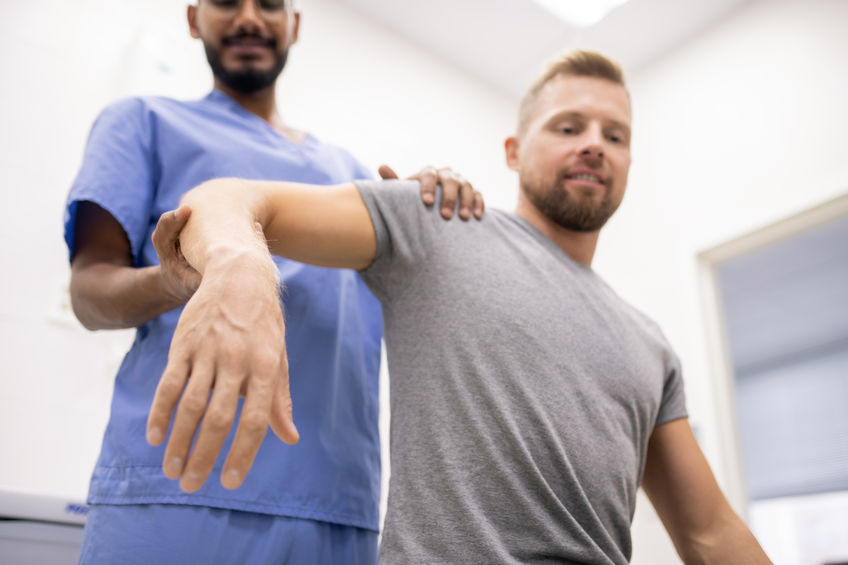
Understanding your surgery
Bicep tenodesis is an innovative procedure designed to reduce pain and restore bicep function. In many cases, the bicep tendon is partially or completely torn from the bone. The bicep can extend to the labrum at the top of the shoulder, which also experiences damage. Bicep tenodesis removes part of the damaged bicep, including tissue from the labrum, and reattaches the tendon in another location. The tendon is moved down to the arm or upper humerus. Surgical wire and screws discreetly hold the tendon in the new location. The procedure prevents further injury, reduces pain, while still giving the muscle the ability to perform effectively.
Immediate post-surgery expectations
Bicep tenodesis can only work if the patient follows the postoperative recovery plan. As the procedure involves the upper arm, patients can start with light exercise, such as walking, almost immediately. The post-surgical process starts with managing pain and the surgical site. The arm will be immobilized in a sling or brace. Patients will experience moderate pain, swelling, and bruising during the first week. Take pain relief medication, care for the incision sites, and have lots of rest. There is limited movement and range of motion (ROM), so have someone help with cooking, cleaning, and other basic activities. This period lasts about 2 weeks and is necessary for initial healing.
Your early recovery phase
At this stage, the patient can start physical therapy to increase strength and ROM. Light walking and desk work that does not involve the injured arm is allowed but should be monitored for complications. PT consists of gentle stretching and exercises to slowly improve strength, boost ROM, and limit scar tissue formation. The next 3-4 weeks will involve modified exercises that gradually increase in resistance and intensity. While performing these sessions, the patient can participate in light lower-body exercises that do not affect the arm. Returning to work or daily activities is allowed at this point.
An effective strength-building plan
From weeks 6-12, the goal is to regain shoulder and bicep strength by performing increasingly challenging exercises. Weights, repetitions, and exercises are modified week by week, with new movements introduced accordingly. By week 12, patients should have near-normal shoulder strength, full elbow extension, and improved overhead reach. More importantly, the pain and dysfunction caused by the injury should be improved significantly. Based on the intended activity, the patient may need additional strength training for a complete return. Exercises like pushups and pullups, lateral pulldowns, and overhead presses with weight are allowed. Plyometric exercises and power exercises restore fast-twitch muscle strength.
Warning signs and precautions
At different stages of recovery, patients will not be allowed to lift heavy objects, especially overhead. This can disrupt the healing process or cause additional injury, prolonging recovery. During recovery, look for signs of infection or complications. Sudden, sharp pains, fever, redness, swelling, and loss of function are all red flags. Contact the surgeon immediately for more information and guidance. Some patients may need ongoing exercise, stretching, and modification after a full recovery to prevent re-injury. Take factors such as age, pre-surgery fitness levels, and surgical techniques into consideration when recovering.
A marathon, not a sprint
Bicep tenodesis is helpful for severe bicep injuries that do not respond to conservative treatment. By relocating the damaged tendon, patients experience less pain and can restore strength and function. Recovery plays a major role in a successful bicep tenodesis. Follow the many stages of recovery with a mixture of rest and exercise. Most patients can recover in 3-6 months, or longer, depending on future goals.