Bounce Back From A Joint Injury
A torn ACL or meniscus can throw off everything. Work, sleep, workouts, even something simple like standing up too fast, can feel off. Pain shows up. The knee swells. Each step feels shaky. These injuries are no longer a sentence to the sidelines. Modern knee surgeries use smaller tools, clearer imaging, and smarter planning to repair the damage with less disruption. Meniscus repair and ACL reconstruction have changed in a big way, making it easier to get moving again without losing months to recovery.
What a tear means
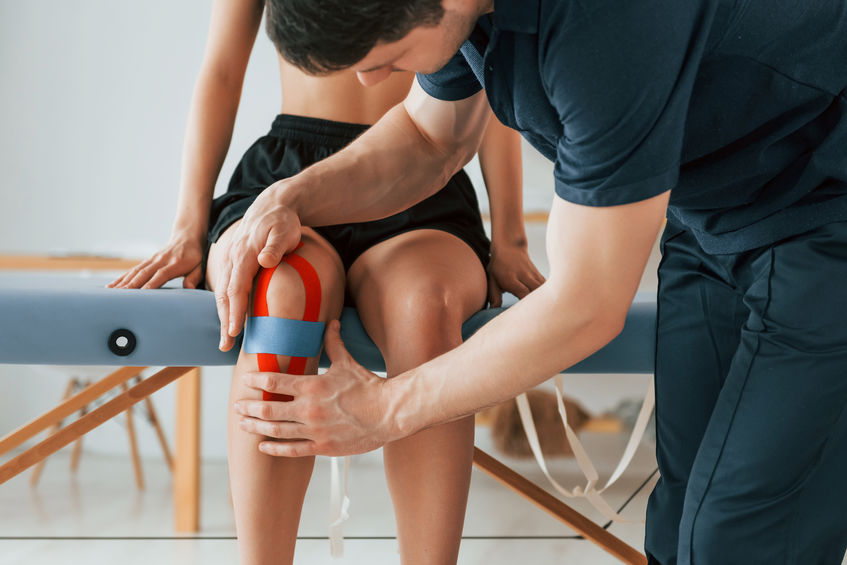
The ACL helps keep the knee steady during movement. The meniscus acts like a cushion between the bones. A sharp twist, bad landing, or sudden stop can tear these structures. When that happens, the knee feels weak and unreliable. The knee might lock up or give out. Sports injuries are a common cause, but plenty of people get hurt just walking across a slick floor. Once that tear happens, the knee usually does not repair itself. The damage sticks around, and ignoring the pain often leads to more problems.
The new way to repair knees
Surgery used to mean big cuts and long hospital stays. Not anymore. These days, most ACL and meniscus repairs happen through tiny incisions using a camera and slim tools. The ACL gets replaced with a tendon from another part of the body or a donor. A torn meniscus might get stitched up or trimmed, depending on the shape and location of the tear. Both injuries can often be fixed at the same time. The goal is to get in, fix the problem, and get out, without causing more trauma to the joint.
Inside the operating room
The surgeon starts with imaging and a good look inside the knee. Then comes cleanup, clearing away anything that is in the way. Torn tissue gets repaired, secured, or replaced. Each step is done with care, using small tools to avoid damaging healthy parts of the joint. Precision matters here, since even minor damage to nearby structures can slow healing. Most people go home the same day with a brace and a comprehensive plan for recovery. The cuts are small, but the work makes a big difference.
Building back strength
Surgery is only part of the process. The first few days focus on rest, ice, and keeping the swelling down. A brace or crutches may help with stability. Then physical therapy starts. Early sessions focus on getting the knee moving again. Over time, the work gets tougher, building strength and balance. Recovery takes time, but most people make progressive gains when following the plan and listening to the care team. A strong repair plus consistent rehab often leads to a knee that feels stable, reliable, and ready to move again.
From setback to comeback
A torn ACL or meniscus used to mean a long, tough road, but things are different now. With modern surgical tools and advanced recovery plans, that same injury can be repaird with less hassle and better results. Many people now bounce back faster and more fully than ever before. An effective repair helps the knee heal right, stay strong, and get back to what matters, whether that is work, play, or just moving through the day without pain.