Struck Out With A Rotator Cuff Injury?
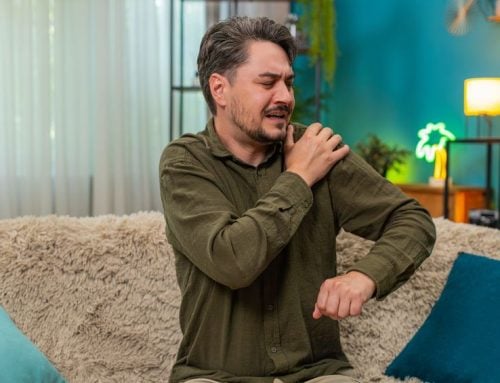
Baseball pitchers at the highest level can get the occasional injury. Yet, few injuries strike more fear into a pitcher than damage to the rotator cuff. The rotator cuff is the muscles and tendons responsible for the explosive, repetitive overhead motion that defines the position. Unlike recreational shoulder injuries, a pitcher’s rotator cuff tear carries the added weight of a career or competitive future hanging in the balance. A tear that is not treated effectively can impact that fastball or slider that sets the greats apart from the amateurs. The good news is that surgery and recovery have evolved significantly. Pitchers now have a genuine path back to the mound, often faster than what was considered standard in the past. Pitchers who have a clear understanding of rotator cuff repair and what recovery demands can approach the injury with realistic expectations.
The pitching downside
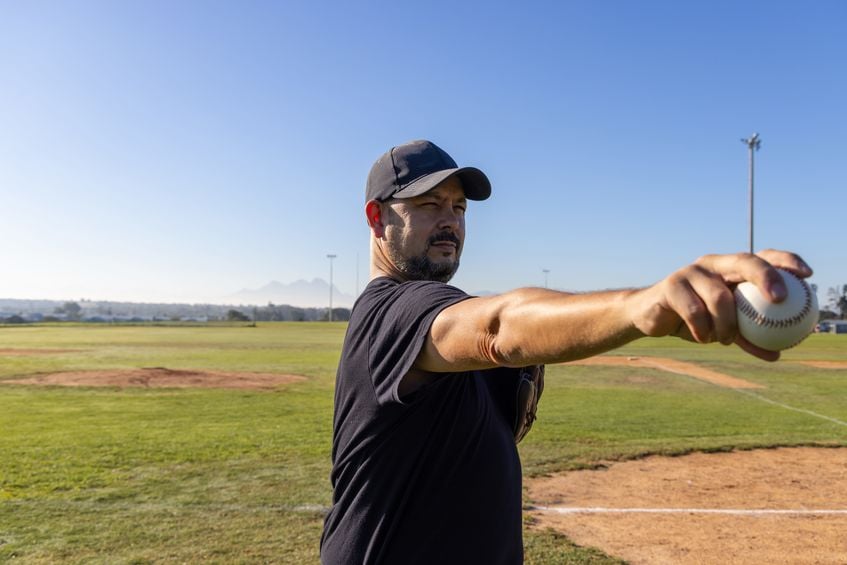
The pitching motion places extraordinary, repetitive stress on the rotator cuff. Pitchers generate forces on the shoulder that far exceed what the joint experiences in everyday activity or most other sports. Years of repetitive loading make pitchers particularly susceptible to acute shoulder tears. A shoulder tear could consist of damage to the muscle, tendon, cartilage, or a combination of these factors. Pitchers also risk gradual, degenerative damage from years of throwing. Surgeons repairing a pitcher's rotator cuff must account for a return to daily function as well as extreme, sport-specific range of motion (ROM) and velocity. This often means surgical technique is chosen to preserve maximum mobility and strength.
Time for rotator cuff repair
If shoulder pain and instability continue despite treatment, surgery is highly recommended. Pitchers should consider surgery for a more successful, pain-free return to baseball activities. Surgical repair of a torn rotator cuff is quite common, with over 250,000 performed yearly. Today’s rotator cuff repair is performed using arthroscopy. This minimally invasive surgery (MIS) uses multiple small incisions and a scope to access and repair the shoulder. The surgeon will see the injured shoulder through images projected by the scope on an external monitor. The torn or damaged rotator cuff is reattached to the bone. Any frayed ligaments or tissue is removed. The surgeon may use different techniques depending on the severity of the rotator cuff injury. Rotator cuff repair is performed under general anesthesia. The outpatient process means the patient can leave the same day to recover at home.
All about recovery
Recovery for pitchers after rotator cuff repair takes significant time. The goal is not only to relieve shoulder pain but to get back to pitching as soon as possible. On average, healing of the rotator cuff repair can take up to 3 months. Using the shoulder for an aggressive motion like pitching, however, takes an additional 6-12 months. Athletes must undergo extensive physical therapy to restore strength and range of motion before moving to athletic training. The patient will work with a trainer on an interval throwing program to gradually build arm strength and velocity. Rushing this process can delay a return to pitching.
Back on the mound
Rotator cuff repair is an excellent option for significant or long-term shoulder injuries that impact pitchers. Statistics show the repair has high success and satisfaction rates. Returning to competitive pitching after rotator cuff repair demands significant patience and disciplined rehabilitation. Close collaboration between surgeon, physical therapist, and pitching coach during that 9-12 month stretch is also vital. Ask detailed questions about the specific repair, expected timeline, and the criteria that will determine each stage of the patient's throwing progression. With the right surgical technique and a sport-specific rehab program, many pitchers return to the mound with strength and confidence restored.