Fast-Track Your Healing
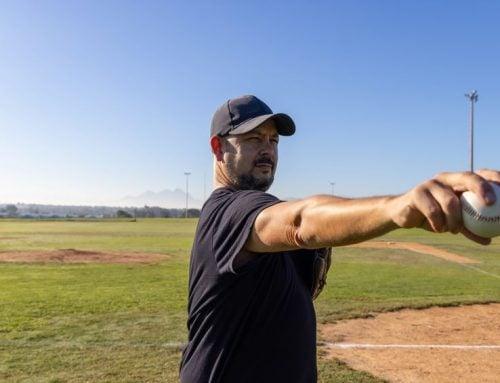
Anterior cruciate ligament (ACL) injuries are among the most common and challenging setbacks for athletes, often leading to significant time away from the field. The ACL plays a crucial role in stabilizing the knee, making repair vital for anyone eager to return to sporting activities. Advances in surgical techniques, particularly minimally invasive options, have transformed the recovery process, offering athletes the opportunity to heal faster and more effectively. Whether due to a sudden twist on the field or an awkward landing, an ACL injury no longer has to mean the end of an active lifestyle.

Recovery starts here
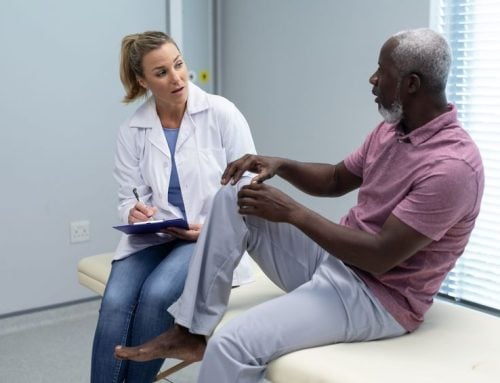
Preparation for surgery begins with choosing a qualified orthopedic surgeon and understanding the recommended surgical approach. Patients should discuss medical history, current medications, and any allergies with the healthcare provider. Exercises might be recommended to strengthen the knee and reduce recovery time. Additionally, logistical preparations such as arranging for transportation after surgery and home modifications may be necessary to avoid complications and ensure a smoother recovery.
Inside the operating room
On the day of the ACL repair, patients typically undergo several steps, starting with pre-operative assessments. This is followed by anesthesia, which may be general or regional, depending on the case. The surgery involves replacing the torn ligament with a graft. Surgeons may use arthroscopic techniques, which involve small incisions and a camera to guide the surgery. This method is less invasive and can lead to quicker recovery times.
Post-surgery dos and don’ts
Immediately following ACL surgery, post-operative care begins with pain management and wound care. The focus is on reducing swelling and preventing infection. Patients will likely be advised to start moving the knee soon after surgery to improve blood flow and promote healing. Specific protocols, such as icing, elevation, and the use of compression bandages, are helpful during this phase. Following the instructions of the surgeon during this period is crucial for a successful recovery.
Kickstarting mobility
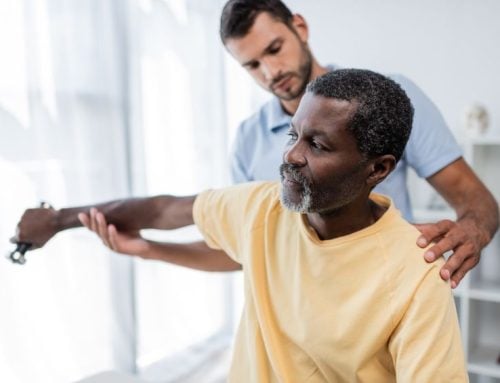
Physical therapy is a cornerstone of recovery from ACL surgery. Therapy focuses on regaining mobility and reducing pain and swelling. Gradually, the exercises become more strenuous to strengthen the knee and surrounding muscles. A physical therapist will design a rehabilitation program to fit the specific needs and goals of each patient. Adherence to a structured physical therapy regimen shortens the recovery period and improves the treatment success.
Reclaiming mobility
Recovering from ACL surgery requires expert care, personalized therapy, and patient commitment. With a well-planned surgical and recovery process, athletes can quickly regain strength and stability. With modern surgical techniques and dedicated rehabilitation, the path to recovery is faster and more effective. This helps individuals reclaim mobility and confidence. Prioritizing each step in recovery ensures the best outcome and a quick return to the field.