Suffering In Silence From Joint Pain?
The body depends on a multitude of joints and muscles for daily movement or more advanced activities like sports. Over time and with age, however, joint pain can happen. Statistics show that over 50 million adults have some form of joint pain. About 70% of adults over 50 have knee, shoulder, or back pain. Many adults attribute chronic joint pain as a part of life and aging and take no action. Some even suffer in silence, unaware of the many orthopedic treatment options available to relieve pain and improve quality of life. Learn the non-surgical, surgical, and lifestyle strategies that can keep joint pain under control.

Common orthopedic conditions
Musculoskeletal pain and soreness can happen after long periods of physical activity or sports. These aches typically go away after 1-2 days. Chronic pain, however, is periodic or consistent pain happening in the joint for at least 3 months. Most cases for adults in all walks of life come from the natural wear and tear of joints. Each joint contains cartilage that prevents rubbing and helps with shock absorption. Damage to these components from wear and tear is known as osteoarthritis. There are other forms of arthritis that cause joint pain, with the second most common rheumatoid arthritis. Most cases are lower back or neck pain caused by spinal issues. Common examples include herniated discs and spinal stenosis. Ligament injuries in the shoulder, knee, and ankle can lead to pain, while tendonitis and bursitis can cause chronic discomfort.
When orthopedic treatment is indicated
While millions of people have mild or sometimes chronic pain, there are some signs where orthopedic treatment is necessary. Joint pain can come from falls, accidents, or sporting collisions. If there is a known incident that leads to chronic pain, seek medical advice immediately. Anyone with persistent pain that does not improve with rest, limited range of motion (ROM), stiffness, swelling, numbness, or discomfort needs orthopedic treatment. Painful clicking or catching sounds when moving the joint, especially when performing everyday activities, can improve with treatment. If these symptoms persist or worsen after multiple weeks or months, seek medical attention.
Your non-surgical treatment options
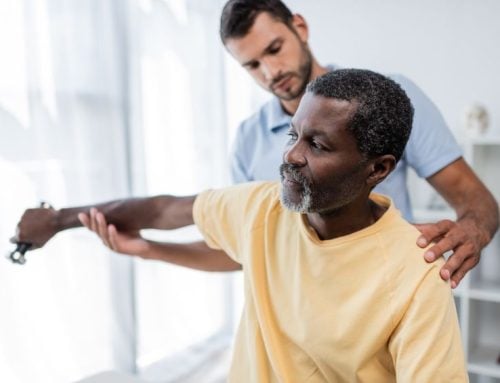
A doctor or orthopedic specialist can assess the painful joint with physical tests, x-rays, and magnetic resonance imaging (MRI) scans. These tests help to create a custom plan for the patient. Most cases can benefit from non-surgical treatment. Oral and injectable pain medication is often coupled with physical therapy (PT) to improve joint function. PT involves exercises, stretches, and modalities over several weeks or months to reduce pain and restore function. The doctor may also recommend bracing the joint with a sling or sleeve or using orthotics for daily activities. These strategies are often effective in reducing pain and improving quality of life.
Innovative strategies for joint relief
Regenerative medicine is growing in popularity as a non-surgical way to reduce inflammation and kickstart the healing process. This process involves injecting growth factors from within the body to the painful site. Platelet-rich plasma (PRP) injections are a common option where platelets are separated from a blood sample and injected into a painful joint. Stem cell therapy uses the same concept but focuses on stem cells harvested from bone marrow. Studies have shown great promise in regenerative medicine for pain management. Doctors can recommend techniques like radiofrequency ablation (RFA) which destroys nerve endings sending pain signals, injectable nerve blocks, or spinal cord stimulation (SCS) for long-term pain management.
Surgical options at your disposal
Sometimes, non-surgical techniques are not enough to reduce pain. Significant joint damage, for instance, often fails to respond to these options. At this point, doctors will recommend surgery. Orthopedic surgery will repair damage by removing cartilage, reattaching tendons, or reconstructing ligaments. Some patients will benefit from total joint replacements, where bone and cartilage are removed and replaced with a prosthetic joint. Most procedures can be performed with minimally invasive techniques. These small incisions limit blood loss and postoperative pain while producing smaller scars and better outcomes.
Keeping pain at bay
All surgical procedures require some degree of recovery and rehabilitation. The medical team will recommend and work with a physiotherapist and pain management specialist. These experts guide the patient through exercises to strengthen the surgical site, improve mobility, and limit pain. Along with consistent rehabilitation, lifestyle changes can improve joint health. Establishing an exercise routine with resistance training and stretching keeps joints pliable and healthy. Improving diet, sleep, and reducing stress all help with joint pain.