
The Hidden Costs Of Back Pain
Chronic back pain is more than dealing with symptoms. As the condition progresses, back pain influences other parts of daily life. Some individuals miss time at work, incurring additional financial cost and frustration. Other individuals with pain prefer to minimize movement, leading to a more sedentary lifestyle. As a result, once fun activities are no longer possible. The desire to socialize, play sports, or pursue hobbies can fade, leading to worse health and a poorer quality of life. Finding back pain relief is not about eliminating pain but about reclaiming life and resuming activities. By targeting the root cause of pain with minimally invasive spinal surgery, hope is on the horizon.
Could it be your spine?
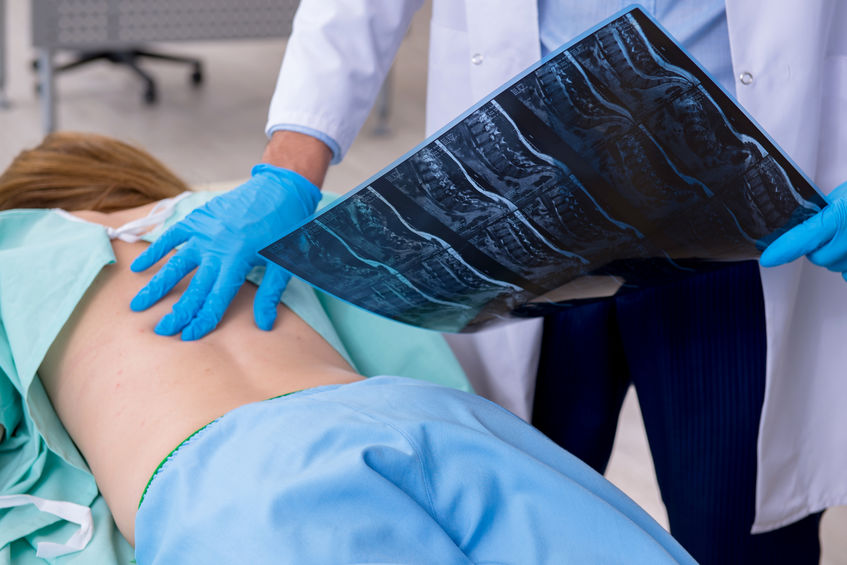
Doctors often trace chronic back pain to an issue with the spine. The spine possesses multiple bones called vertebrae, separated by intervertebral discs. Hundreds of nerves branch out to different parts of the body through the many spaces formed by the spine. Sometimes, damage to the spine or a physiological change can disrupt or press on these nerves, leading to back pain. Typical examples include a herniated or degenerative disc, which can cause the disc to move out of place, and spinal stenosis, a narrowing of the space that houses nerves. Fractures, bone spurs, arthritis, tumors, and genetic disorders can all disrupt nerves, leading to pain.
Why has treatment failed so far?
Most back pain cases are initially treated non-surgically to relieve pain and restore quality of life. In many respects, techniques such as physical therapy (PT), massage, pain medication, and temperature therapy are effective. Advanced options like steroid injections and radiofrequency ablation (RFA) can provide long-term relief. Yet, there are numerous cases where these options fail. The complexity of the spinal issue and the patient’s response to treatment matter. Issues like herniated discs cause spinal instability, making PT difficult. The patient’s overall lifestyle, psychological health, or inconsistency can also lead to non-surgical options failing. Sometimes, patients need a multidisciplinary approach, which some individuals cannot maintain.
Time for spine surgery
When non-surgical options fail, usually over several months, a doctor will typically recommend spine surgery. This procedure corrects the underlying cause or makes changes to provide the nerves some much-needed relief. For instance, the surgeon may recommend removing all or part of a herniated disc. Removing bone spurs, tumors, performing a laminectomy, or foraminotomy, which removes part of the vertebrae, are other options. Some procedures are combined with a disc replacement or spinal fusion. The medical team will create a custom plan to achieve the best possible outcome and improve mobility.
The minimally invasive approach
Doctors can perform many spinal procedures arthroscopically. Using minimally invasive surgery (MIS), small buttonhole incisions are used to access the spine. The scope, a long, thin device with a camera and light attachment, is passed through the first incision. This allows an image of the spine to be projected onto an external monitor, giving the surgeon a clearer view. The additional incisions allow for small surgical tools to complete the operation. MIS has several benefits. The patient can usually leave the same day and start rehabilitation sooner. Small incisions also mean less blood loss, smaller scars, and a lower risk of complications. Success rates are comparable to those of traditional spine surgery, offering patients additional benefits while delivering the same outcomes.
Returning to an active life
Surgery can relieve pain, but this option is only effective when the patient undergoes a rigorous rehabilitation plan. Spinal surgery recovery can take several months, depending on the type of procedure performed. A combination of rest, PT, massage, and pain management is necessary. Some procedures, like spinal fusions, require up to 12 months to fully fuse, which can limit the types of activity. Most patients, however, can return to an active lifestyle within a few months thanks to MIS. Starting exercise and lifestyle changes before and after surgery also create a foundation for a faster return to an active life.
Take the first step toward joy
Back pain can prevent individuals from truly enjoying life. Many individuals avoid going out with friends, enjoying hobbies, traveling, or playing sports due to the pain. Life can change when the root causes of back pain are addressed. Consider spinal surgery, which can relieve pain, stiffness, and weakness caused by underlying damage. Following the rehabilitation process also plays a significant role in the procedure’s success. Choosing a minimally invasive option reduces risk and complications, giving patients more peace of mind.