Are Arthroscopies Best for A Sports Injury?
Athletes face a heightened risk of suffering from a sports injury. Whether during a game or in training, unexpected trips, falls, or sudden stops are common causes of ankle and knee injuries. Historically, these injuries were managed through traditional open surgeries. While effective, the procedures had longer recovery timelines and sometimes more complications. With medical advancements, surgeons shifted to arthroscopies, minimally invasive procedures that reduce downtime, minimize tissue disturbance, and speed recovery.
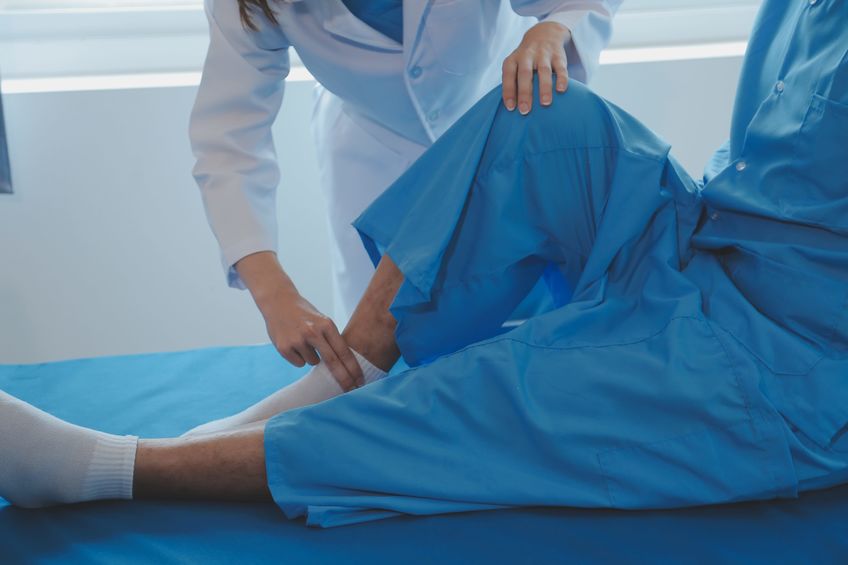
Common sports ankle injuries
Ankle and knee injuries are incredibly common. For ankle damage, sprains and tendon tears are some of the most widely reported. Likewise, stress fractures in the ankle and also feet can also occur. One specific problem that may occur is an osteochondral injury to the talus. The talus is 1 of 3 bones in the ankle, and sometimes bruises or damage to the cartilage covering may occur.
Knee injuries needing treatment
Knees are often exposed to a heightened risk of damage from collisions, sudden stops, or even overuse. The anterior cruciate ligament (ACL) tear is probably the most well-known knee injury. Likewise, damage to the posterior cruciate ligament (PCL), meniscal and tendon tears, fractures, and even dislocations can all occur. Some people can recover from ACL or PCR injuries through at-home care, while other patients may need more serious medical interventions or even surgery.
MIS repair benefits
MIS treatment is often reserved as a last resort when other non or minimally invasive treatments aren’t working. Keyhole surgery incision sites are smaller, sometimes only measuring 2-3mm as compared to the traditional 2-8cm with open surgeries. People get back to regular life faster and sometimes allows people to walk the same day after surgery.
Considering cartilage restoration
Membrane-induced autologous chondrocyte implantation (MACI) is a common procedure designed to regenerate or restore cartilage in damaged joints. In most cases, the process relies on a patient’s own cells which are harvested from other areas of the body. The sample is then multiplied in a lab before scheduling a surgery to implant or the mass into the damaged joint.
PRP as a supplemental
Platelet rich therapy (PRP) is often recommended as a precursor or post-surgical supplemental boost to help improve joint function. The process takes a sample of blood from an individual which is then spun in a centrifuge to separate the red blood cells from the platelets and plasma. Once the concentrated sample is produced, the PRP is then injected into the damaged area. For more minor damage, PRP alone may be sufficient. In more serious cases, this treatment might be administered after surgery to help speed recovery.
Managing nerve pain
Another way to manage the trauma after a sports injury is through radiofrequency ablation (RFA). This technique is usually reserved for persistent pain. In most cases this treatment is a temporary solution and isn’t for permanent relief. The procedure works using radio waves to temporarily deactivate sensory nerves with heat. For most people, the treatment is a stopgap measure that works for 6-12 months.
Get back to normal life
Minimally invasive treatments are designed to help athletes get back on the field faster. While not all treatments will work for every ankle or knee injury, quicker recovery timelines and reduced pain are key features that make getting care more appealing for patients. If knee or ankle pain is sideliding athletic goals, consider talking to a doctor about arthroscopic procedures.