What’s Next After An ACL Tear?
An anterior cruciate ligament (ACL) injury diagnosis often leaves patients with more questions than answers. This is a vital ligament in the knee, especially for athletes in contact sports. Navigating an ACL injury can be particularly challenging when the tear is partial rather than complete. A fully torn ACL almost always requires surgical reconstruction. A partial tear, on the other hand, opens a genuine decision point between surgery and non-surgical management. This choice can feel overwhelming for an active person trying to return to sports against long-term knee health. A surgeon’s evaluation of a partial tear and what non-surgical treatment involves is key. When reconstruction becomes the clearer choice, surgeons can help patients make a confident, informed decision.
Evaluating your partial tear
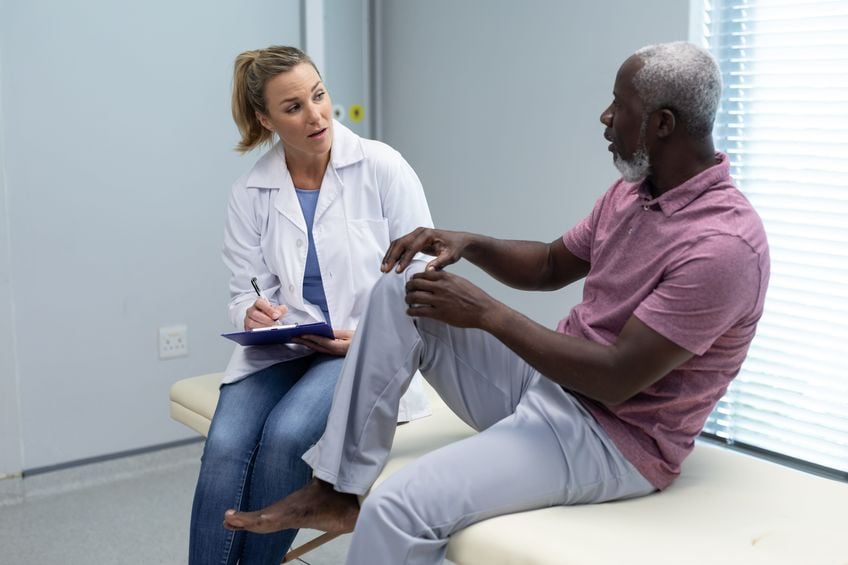
Not all ACL tears are alike. Tears are graded 1-3, with a grade 3 tear considered a complete rupture of the ligament. Grades 1 and 2 are partial tears, so treatment decisions hinge on several factors. First, surgeons assess what percentage of the ligament fibers remain intact. A tear involving less than 50% behaves very differently than one approaching near-complete rupture. Patient factors matter just as much as the tear itself. The patient’s age, activity level, and sport demands determine which treatment is best. Knee stability, such as whether the knee buckles during daily activities, all shape the recommendation. A sedentary individual with a stable partial tear faces a different approach than a competitive athlete in a pivoting sport like soccer or basketball. An experienced surgeon will evaluate the ligament with imaging and create a customized plan.
Consider non-surgical approaches
For appropriate candidates with partial tears, non-surgical management is a viable option. Treatment centers on structured physical therapy (PT) designed to strengthen the muscles surrounding the knee, particularly the quadriceps and hamstrings. These muscles can partially compensate for reduced ligament stability. Bracing may be recommended during higher-risk activities to provide additional support. Patients typically follow a gradual return-to-activity progression. Functional testing at each stage confirms if the knee can handle increasing demands without instability. From there, regular follow-up imaging or clinical exams help monitor whether the partial tear is stable or progressing toward further damage. Non-surgical treatment is an active, ongoing rehabilitation process requiring months of real commitment and consistent monitoring.
When reconstruction is better
Surgery becomes the stronger recommendation when a partial tear involves a significant percentage of ligament fiber loss. This option is better when the knee shows ongoing instability despite rehabilitation. Patients whose sport or lifestyle involves frequent pivoting, cutting, or jumping will benefit from surgery and long-term rehabilitation. For athletes, residual instability raises the risk of further damage to the ligament, meniscus, or cartilage. Age and long-term activity goals factor in too, since repeated instability episodes can accelerate joint wear over time. If non-surgical treatment is attempted first and the knee continues to give way, reconstruction typically becomes the next step.
Making the right decision
Reconstruction involves removing the partially damaged ligament and installing a new graft or tendon to replace the ACL. This option is ideal for severe cases or active individuals who need a more stable knee. When all is said and done, there's no universal answer for partial ACL tears. The right treatment depends on the ligament’s tear pattern, activity goals, and how the patient’s knee responds to initial management. Ask an orthopedic surgeon detailed questions about the tear's severity and stability.
The surgeon will determine what outcomes the patient can realistically expect from each path. Whether pursuing focused rehabilitation or reconstruction, a clear understanding of both options helps patients achieve a stable, functional knee.