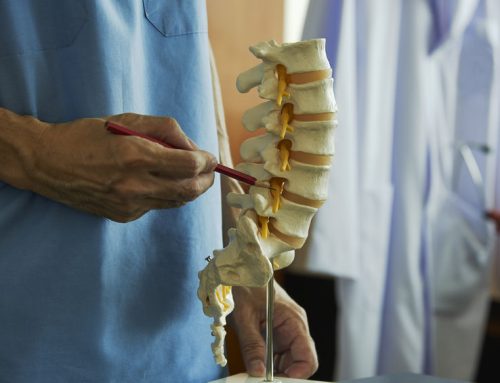
Put An End To Back Pain
Too often, back pain limits mobility brings intense discomfort, and makes life more difficult. While over-the-counter (OTC) medications can ease pain for some individuals, other sufferers may need medical interventions. Regardless of the reason, some people can’t rely on injections. Depending on the source of back pain, the following treatments might offer relief.

Chiropractic support
Evidence has proven that chiropractic treatment has many therapeutic benefits. A recent study researched lower back pain treatments in a cohort of US service members, including supplemental chiropractic treatment, and compared progress against a group that did not include the additional method. The group that received chiropractic care self-reported reduced pain intensity and better mobility over a period of six weeks.
Medial branch block
Sometimes, medial branch blocks work as a diagnostic tool to pinpoint the precise source of the pain. The process is minimally invasive because an anesthetic is injected near small medial nerves in a person's back. Sometimes, multiple injections may be required in a single session. If immediate relief is noted, the practitioner can accurately diagnose which facet joints are causing the discomfort.
SI joint fusion
Back pain can be localized to the sacroiliac joint (SI) and is called sacroiliitis. The joint is where the sacrum and ilium meet in the pelvis, and inflammation can create pain in the hips, thighs, lower back, and buttocks. To treat the discomfort, an SI joint fusion may be recommended. The 45-minute minimally invasive process fuses the sacrum and ilium and is an outpatient surgery. Recovery typically only requires a few weeks, with most patients enjoying previous activities soon after.
Microdiscectomy
Sciatica is a specific type of back pain caused by the sciatic nerve being pinched. Most often, the pain is caused by herniated disks creating intense pressure on the nerve or bone spurs. People suffering from sciatica may want to consider a microdiscectomy. The minimally invasive treatment is usually recommended for sciatica from herniated discs. During the surgery, parts of the damaged disc are removed, reducing pressure on the sciatic nerve. In research, evidence shows that roughly 84% of people who have the surgery enjoy long-term success.
Nerve stimulation
Some people may have persistent back pain but do not qualify for more invasive measures. In such scenarios, nerve stimulation may be beneficial. Transcutaneous electrical nerve stimulation (TENS) uses small electrical charges that are delivered by a device. The stimulation relaxes the muscles and numbs the nerves, ultimately preventing or reducing the pain signals that would be transmitted.
Facet joint pain injections
Research suggests that roughly 67% of neck pain, 48% of upper back pain, and 45% of lower back pain are attributed to facet joint pain. The facet joints are two sections in the back's lumbar region, which are responsible for flexibility, stability, and the spine's integrity. Damage and even disease in the joints can lead to chronic back pain. Facet joint injections are steroid injections that can control inflammation in the region. The treatment can serve two purposes: controlling pain or as a diagnostic tool to determine the total amount of damage or discomfort in the area.
Stand up to back pain
People shouldn't have to live in pain without any relief in sight. While multiple sources and causes of back pain exist, modern medicine has a wide array of solutions to ease discomfort and get back pain sufferers back to an enjoyable quality of life. If discomfort in the back and spine is minimizing mobility, consider speaking with a physician for a diagnosis and treatment plan.