
No Back Surgery For Me, Please
Chronic back pain is an issue that impacts tens of millions of Americans. While some can address the issue conservatively, others have severe pain that may require surgical intervention. Back surgery may be effective, but many patients, and some doctors, want to avoid back surgery as much as possible. As a result, doctors and patients need alternatives that can provide long-term relief. A spinal cord stimulator (SCS) is quickly becoming a capable alternative that takes pain management to the next level. This less invasive option can help back pain patients have a better quality of life while avoiding the many concerns of more invasive alternatives.
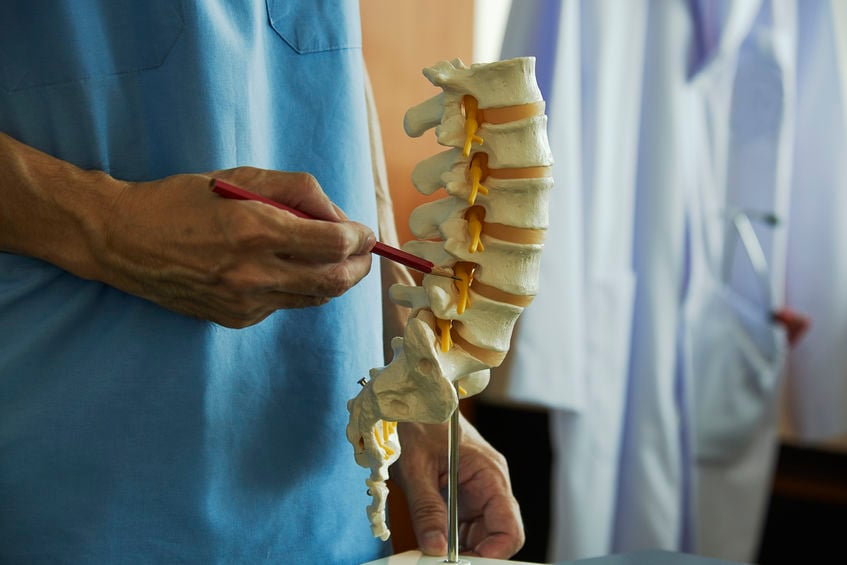
Why would you avoid back surgery?
For the many spinal surgeries performed each year, many more are avoided. Some procedures, like spinal fusions, can carry significant risks for some patients. The bones may fail to fuse, or complications like nerve damage and blood clots may occur. Traditional or open surgery can create new instances of pain or complications that patients would rather avoid. Moreover, the long recovery time typical of back surgery may not align with the lifestyle. Some patients may even fail to get relief from surgery. If the patient or doctor feels that the risk and inconvenience may outweigh the result, surgery is avoided in favor of more effective alternatives.
Should you consider SCS?
For years, doctors have recommended spinal cord stimulators to patients who need more reliable pain relief while avoiding complications. SCS involves a small device that is installed under the skin to deliver mild electrical impulses that disrupt pain. The electrical impulses are transmitted to the spinal cord via long, thin wires called leads, which are connected to the device. The patient can adjust the intensity of the electrical impulses based on the degree of pain at that moment. SCS is a common treatment option for cases where pain medication, physical therapy (PT), or other non-surgical treatments fail to improve back pain.
The SCS process
A doctor or pain management specialist will recommend that the patient try the device to see if there is improvement in chronic back pain symptoms. The leads are installed during a simple in-office procedure. Using a live x-ray called fluoroscopy, the leads are guided into the lower back to the spine. The battery-operated SCS device is kept externally and attached to the patient’s waist or pocket. The trial period can last 1-2 weeks. The patient will be expected to record improvements in pain to gauge the effectiveness of the device. If SCS is seen as a success, the surgeon can recommend surgically installing the device in the lower back or buttocks using small incisions. SCS devices are powered for several years and are reversible, unlike back surgery.
Can SCS provide long-term pain relief?
For the right candidate, SCS is an effective alternative to surgery. While not completely eliminating pain, studies show that over 50% of patients can experience as much as a 70% reduction in pain. This pain reduction can be a difference-maker for individuals who struggle with back pain, ALLOWING for an improved quality of life. Patients with failed back surgery who do not want additional procedures may see value in an SCS. Other recommended candidates include those with severe neuropathic pain, chronic sciatica, or unexplained regional pain.
Make the SCS choice
Avoiding back surgery while still reducing pain is a goal for some individuals with chronic pain. An SCS can provide pain relief while allowing the patient some control over treatment and intensity. A permanent SCS is minimally invasive, reversible, and reduces the dependency on opioids. SCS cannot address the underlying cause, like spinal damage. Surgery may be an option later if the effects of SCS wane. Work with the doctor to explore all possibilities, then take the next step for a better quality of life.