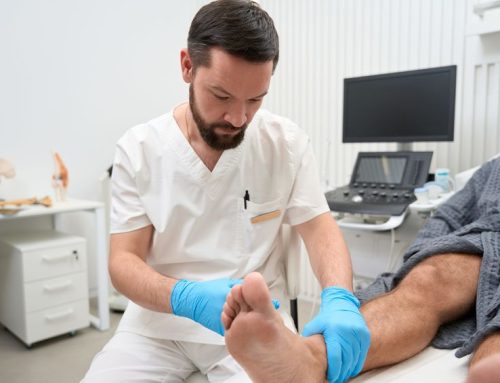
Is Bunion Pain Affecting Your Life?
Sometimes a bunion is nothing more than a cosmetic nuisance. For countless others, however, a bunion can be painful and limit flexibility. Studies show that bunions can affect balance and alter an individual’s gait. As the bunion develops and alters the foot’s appearance, moving without pain becomes difficult. Even wearing a favorite pair of shoes is no longer possible. Chronic foot pain can mean a trip to the doctor. In some cases, minimally invasive bunion surgery may be recommended.
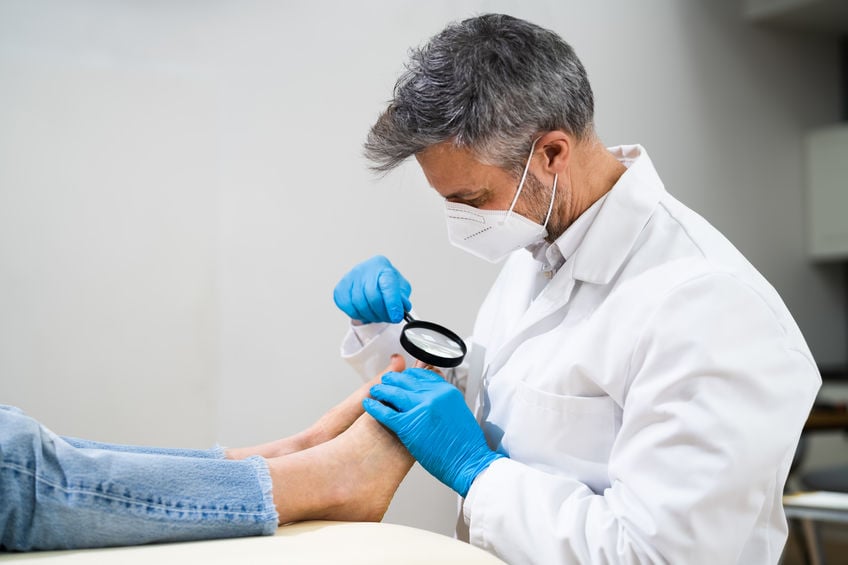
Are non-surgical options enough?
Bunions are bony growths that develop at the base of the outer big toe. The bunion can be painful when wearing specific shoes and eventually pushes the big toe inward. Most bunions are caused by poor footwear, genetics, arthritis, or underlying conditions like diabetes. A doctor will typically recommend bunion pads, toe spacers, pain medication, and other non-surgical means first. These approaches are often enough to relieve pain and resolve the bunion, especially when attempted early. Cases that worsen over time or fail to respond to treatment can benefit from bunion surgery.
A game-changing surgery
Bunion surgery seeks to remove obstructions and restore the natural alignment of the big toe. The surgeon can try different approaches. The most common surgery is osteotomy, which removes bone spurs and realigns the big toe. Another approach is arthrodesis, or a joint fusion. A damaged joint is removed, and a spacer is inserted to help the bones grow and fuse into a single piece. Other techniques aim to target bony growth without affecting the joint. The surgeon will recommend the best option based on the severity of the issue and the patient’s long-term goals.
Minimally invasive surgery benefits
For many individuals, minimally invasive surgery (MIS) can help address bunion problems with minimal downtime. MIS differs from traditional surgery, which uses a single large incision along the side of the toe to expose the bunion. Instead, small incisions, each less than an inch, are used to correct the bunion. A scope with a light and camera is passed through 1 incision. This device allows the surgeon to view the bunion on an external monitor, limiting damage to the joint. Other benefits of MIS include less blood loss, smaller scars, and faster recovery. Patients can also leave the operating room the same day and begin rehabilitation at home.
Leave foot pain behind
Severe foot pain that does not respond to conservative treatment can benefit from minimally invasive bunion surgery. This procedure allows surgeons to safely enter and remove bone or other components causing the bunion. Minimally invasive means are becoming more popular as patients feel more comfortable with surgeries. Small incisions mean patients experience less post-operative pain and can return to normal activities more quickly. If bunion pain isn’t getting better with conservative approaches, meet with a healthcare provider to discuss surgical options and prepare accordingly.