Is Rotator Cuff Repair The Answer?
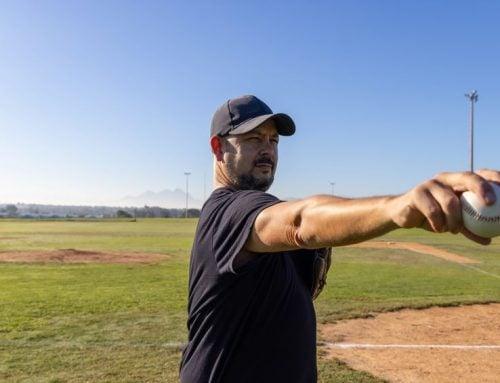
A rotator cuff injury can make even the simplest daily activities feel challenging. Reaching overhead, lifting groceries, or sleeping comfortably may become difficult due to persistent shoulder pain and weakness. For athletes, especially those involved in throwing or shooting motions, this injury is even more severe, impacting performance. Many shoulder injuries respond well to rest, physical therapy (PT), and other conservative treatments. Some severe injuries, like rotator cuff tears, require surgical repair to restore strength and function. Modern surgical techniques have made rotator cuff repair more effective than ever. Patients return to work, sports, and everyday activities with greater comfort and confidence. Rotator cuff repair has many benefits, including allowing a shoulder injury comeback for athletes better than before.

Understanding the rotator cuff
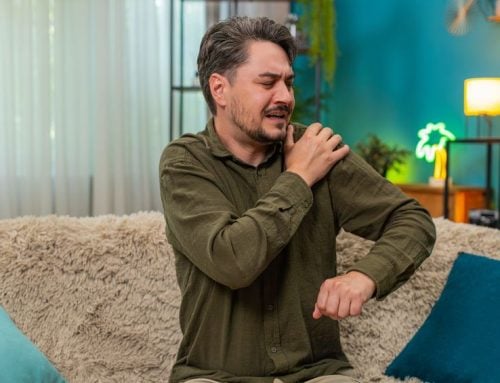
The rotator cuff is made up of 4 muscles and tendons that wrap around the shoulder joint. These structures work together to stabilize the shoulder joint and control arm movement. The rotator cuff allows the shoulder to lift, rotate, and reach in multiple directions while keeping the upper arm securely positioned within the shoulder socket. Rotator cuff tears are the most common type of shoulder injury. The injury can occur suddenly following a fall or traumatic injury. Most rotator cuff injuries, however, develop gradually through repetitive use and age-related degeneration. Athletes who participate in overhead sports, individuals with physically demanding occupations, and older adults are particularly susceptible. Common symptoms include shoulder pain, weakness, limited range of motion (ROM), difficulty lifting the arm, and discomfort that often worsens at night.
When is surgery recommended?
While tears are common, not every rotator cuff injury requires surgery. Partial tears and some smaller injuries often improve with PT, anti-inflammatory medications, and activity modification. Some doctors use corticosteroid injections for targeted, long-term pain relief, allowing space for more effective PT. These treatments can reduce pain while strengthening the surrounding shoulder muscles to improve function. Surgery helps when symptoms persist despite several months of conservative treatment. If the tendon has sustained a complete tear or when significant weakness interferes with daily activities, surgery becomes essential. Early surgical repair may also be recommended for acute traumatic tears, particularly for athletes who need to return to sport with a highly-functioning shoulder. An orthopedic surgeon evaluates the size of the tear, tissue quality, activity level, and patient goals before recommending the most appropriate treatment plan.
Restoring shoulder strength and function
The primary goal of rotator cuff repair is restoring the shoulder's normal mechanics. During surgery, the torn tendon is reattached to the bone. This step allows the rotator cuff to heal back into a proper position. Most procedures are performed arthroscopically using small incisions, a tiny camera, and specialized instruments. This minimally invasive surgery (MIS) allows the surgeon to complete the repair with exceptional precision while minimizing complications. As healing progresses and rehabilitation advances, many patients experience gradual improvements in strength, flexibility, and shoulder stability.
Relieving chronic pain
Another amazing benefit is the relief of persistent shoulder pain, typical with a rotator cuff injury. Torn tendons can create ongoing inflammation, mechanical irritation, and muscle imbalance. These symptoms continue to produce discomfort during movement and at rest. Many patients also experience nighttime pain that disrupts sleep and affects overall quality of life. Repairing the damaged tendon and restoring normal shoulder mechanics means addressing the underlying source of pain. Although some discomfort is expected during recovery, patients experience substantial long-term pain relief once healing is complete. Reduced pain often allows individuals to return to work, hobbies, exercise, and sports with greater comfort.
Protecting long-term shoulder health
Repairing a significant rotator cuff tear may also help preserve long-term shoulder function. Untreated tears can enlarge or worsen over time. The injury leads to progressive tendon damage, muscle atrophy, and permanent weakness. As the shoulder loses stability, additional joint wear may occur, increasing the risk of osteoarthritis and complex reconstructive procedures in the future. Early intervention, when appropriate, may prevent further deterioration and improve the likelihood of successful tendon healing. Combined with rehabilitation, rotator cuff repair helps restore balanced shoulder movement. For athletes, the surgery preserves long-term shoulder function, prolonging careers and performance.
Make a shoulder comeback
A rotator cuff tear can significantly affect comfort, mobility, and independence. At the same time, patients do not have to feel limited by the injury. For patients whose symptoms persist despite conservative treatment, rotator cuff repair offers an effective solution. The benefits include relieving pain, restoring strength, and protecting long-term shoulder health. Modern arthroscopic techniques provide added benefits like less blood loss, fewer complications, and faster transitions to rehabilitation. Consult an experienced orthopedic surgeon to determine whether surgery is the right option. Based on injury severity, lifestyle demands, and treatment goals, a rotator cuff repair can be instrumental. With appropriate care and commitment to recovery, many patients return to enjoyable or high-performance activities.