
Concerned About Chronic Back Pain?
Statistics show that at least 39% of American adults will experience back pain for various reasons. For some, the issue can be chronic, with no improvement in sight. Individuals with back pain , especially when spinal instability or degenerative conditions affect movement and comfort. As there are so many cases, several treatment methods have been used to improve immediate symptoms. Many people find relief through physical therapy (PT), anti-inflammatory medication, or injections. Others continue to experience pain that limits work, exercise, and daily life. When the issue is spinal-related, minimally invasive spinal fusion is a surgical technique that helps with pain relief and stability. This procedure can help patients get long-term relief from a condition that sometimes feels like there is no solution in sight.
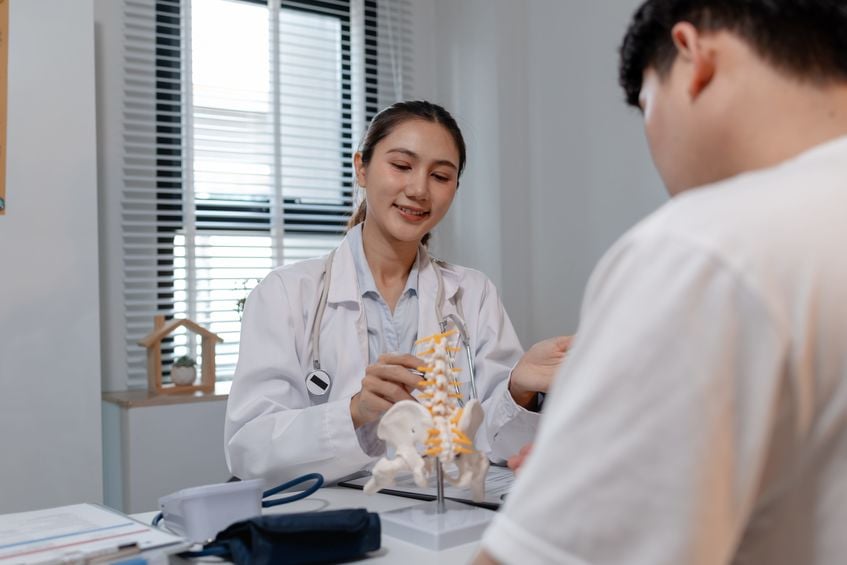
Let's talk surgery
A spinal fusion is a surgical procedure that joins 2 or more vertebrae into a single solid structure. The surgery helps remove painful movement and stabilize the spine. This procedure not only prevents pain but limits future complications. Surgery also improves stablilty and mobility in some patients. Spinal fusions are ideal for cases of severe degenerative disc disease, spinal instability, or certain spinal fractures. Advanced techniques allow surgeons to use minimally invasive surgery (MIS), which has transformed fusions. When a procedure follows MIS, there are much smaller incisions. Patients benefit with less blood loss and tissue damage, a lower risk of complications, and faster recovery.
Reasons for spinal fusion
Not every patient with chronic back pain requires surgery. Most people can actually improve symptoms with conservative treatment. Persistent pain, however, that continues despite non-surgical care may indicate an underlying condition requiring further evaluation. Chronic lower back pain, sciatica, numbness, weakness, or difficulty standing and walking may cause spinal instability or nerve compression. Extensive testing helps determine whether spinal fusion is an appropriate option. Every spinal condition is different. All surgical advice is based on the cause of a patient's symptoms rather than pain alone.
A minimally invasive approach
Some patients can benefit even further from minimally invasive procedures. During minimally invasive spinal fusion, the surgeon accesses the affected portion of the spine through multiple small incisions. Through a single incision, a specialized scope projects images of the damaged spine. The surgeon will removed the damaged or diseased intervertebral disc and bone. A small bone graft in a cage is then installed in the vacant space to help with fusion. Screws and rods provide immediate stability while the fusion heals. The procedure can take a few hours but patients can often leave the same day. Minimally invasive spinal fusions mean patients can start the recovery process, which includes physical therapy (PT), sooner.
Is surgery right for everyone?
Minimally invasive spinal fusion is not the best approach in some situations. Some complex deformities, severe instability, or extensive spinal disease may require traditional open surgery. The surgical team will consider factors such as age, activity level, and long-term goals. Minimally invasive surgery is effective when targeting a specific disc or location in the spine rather than general pain. Some patients may need surgery on multiple discs or vertebrae. The surgical team will decide if MIS is applicable in those situations. Spinal fusion is also seen as an option only when non-surgical treatments no longer improve symptoms.
A stronger spine with MIS
Minimally invasive spinal fusion offers important advantages but is not for everyone. Some complex deformities, severe instability, infections, or extensive spinal disease may require traditional surgical approaches instead. For those with chronic pain and instability without severe damage, spinal fusion works. Minimally invasive spinal fusion offers many patients improved spinal stability while reducing disruption to surrounding tissues during surgery. Every patient's spine is different. Successful treatment requires a combination of an effective diagnosis and a custom surgical plan. Consulting with a qualified spine specialist can help determine if minimally invasive spine fusion can improve pain and stability.